Ririca ニューハーフ: The Rise of a Transgender Icon in Japanese Entertainment
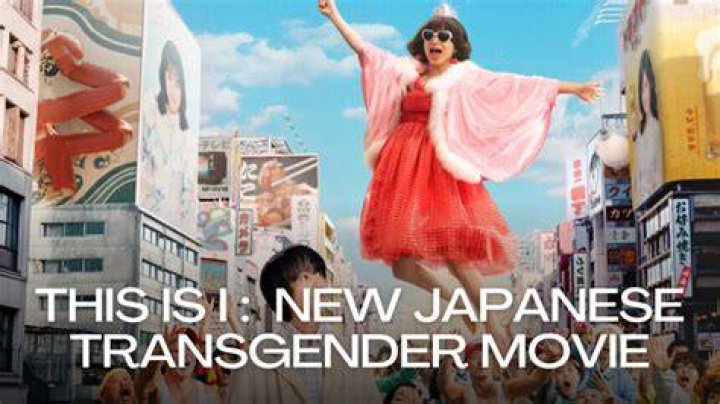
Japan’s entertainment industry has long been a kaleidoscope of unique subcultures and personalities. Among the most fascinating and rapidly evolving spaces is that of the ニューハーフ (new-half) entertainer. And at the forefront of this movement, commanding attention with charisma and resilience, is a figure known simply as Ririca. She isn’t just a performer; she’s a symbol of a quiet revolution happening in nightlife, television, and social media.
For those unfamiliar with the term, "ニューハーフ" is a Japanese word used to describe transgender women, particularly those working in entertainment, hostess clubs, and bars. It’s a loaded term, carrying both historical baggage and a sense of community identity. Ririca has taken this label and transformed it into a brand of empowerment. Her journey from the dimly lit streets of Tokyo’s nightlife districts to becoming a household name is a story of grit, reinvention, and undeniable talent.
Who is Ririca? Beyond the Stage Name
Ririca is not just a single person; in many ways, she represents a category of entertainer that has existed for decades but is only now gaining mainstream traction. While specific biographical details can be elusive—a common trait in the industry where personas are carefully crafted—her public presence is unmistakable. She rose to prominence through a combination of appearances on variety shows, work in high-end ニューハーフ hostess clubs, and a savvy use of social media platforms like Instagram and TikTok.
What sets Ririca apart is her refusal to be boxed in. She is a hostess, a model, a television personality, and an influencer. She navigates the often harsh world of Japanese entertainment with a sharp wit and a disarming smile. Her story is not one of tragedy, which is a common trope in media about transgender individuals, but one of ambition and joy. She embodies a new archetype: the ニューハーフ who is not seeking pity, but celebration.
The World of ニューハーフ Entertainment: A Cultural Deep Dive
To understand Ririca, you have to understand the ecosystem she thrives in. The ニューハーフ entertainment scene in Japan is a distinct subculture, separate from the broader LGBTQ+ rights movement. It is commercial, glamorous, and fiercely competitive. Clubs in Shinjuku’s Ni-chome district or Kabukicho are legendary for their ニューハーフ hostesses, who are paid for conversation, companionship, and performance.
This is not a new phenomenon. The industry has roots stretching back to the post-war era, with figures like the famous "Blue Boy" shows. However, the modern iteration, which Ririca represents, is far more polished. These entertainers are masters of makeup, fashion, and social etiquette. They are expected to be more beautiful, more charming, and more entertaining than their cisgender counterparts. It is a high-pressure environment, but for those who succeed, like Ririca, the rewards are substantial.
The term ニューハーフ itself is controversial. Some within the community embrace it as a badge of honor, a specific identity that blends male and female. Others see it as outdated or fetishizing. Ririca’s use of the term is pragmatic. She owns it. By doing so, she disarms critics and defines her own narrative. This is a key part of her appeal—she is unapologetically herself in a society that often demands conformity.
Ririca’s Rise to Fame: From Hostess Club to Mainstream Media
Ririca’s breakthrough came through television. Japanese variety shows have a long history of featuring "shocking" or "exotic" guests, and ニューハーフ entertainers have been a staple for years. However, the treatment has often been exploitative, focusing on the "reveal" or the "surprise" of their gender identity. Ririca, along with a new generation of performers, has changed this dynamic.
She appears not as a curiosity, but as a personality. She is funny, quick-witted, and visually stunning. Producers began booking her not because she is a ニューハーフ, but because she is entertaining. This shift is subtle but profound. It marks a move from tokenism to genuine inclusion. Her appearances on shows like "Downtown no Gaki no Tsukai ya Arahende!!" or "Wednesday Downtown" have been met with laughter and admiration, not just shock.
Social media has been the rocket fuel for her career. On Instagram, she posts glamorous photos that rival any fashion model. On TikTok, she shares behind-the-scenes glimpses of her life, makeup tutorials, and comedic skits. This direct connection with fans bypasses traditional media gatekeepers. She has built a loyal following that appreciates her authenticity and her aesthetic.
The Business of Being Ririca: Branding and Entrepreneurship
Ririca is a savvy businesswoman. She understands that her brand is built on exclusivity and aspiration. Working in a high-end ニューハーフ club is not just a job; it is a marketing tool. It creates a mystique. Fans want to meet her, to sit with her, to be seen with her. This translates into a lucrative career that extends beyond the club floor.
She has leveraged her fame into endorsements, merchandise, and paid appearances. She is a walking advertisement for the power of personal branding. In an industry where many performers fade into obscurity, Ririca has built a sustainable career. She represents a new model for transgender entrepreneurs in Japan: one that is unapologetically commercial and glamorous.
Her success also highlights a paradox. While Japan’s legal and social recognition of transgender rights lags behind many Western countries, the commercial space for ニューハーフ entertainers is thriving. This is a uniquely Japanese phenomenon. The market has embraced them, even if the government has not. Ririca is a beneficiary of this market logic, and she uses her platform to subtly advocate for acceptance, not through protest, but through presence.
Challenges and Criticism: Navigating a Complex Landscape
Life as a public ニューハーフ is not without its difficulties. Ririca faces constant scrutiny. Trolls on social media, invasive questions from journalists, and the pressure to maintain a flawless appearance are daily realities. The entertainment industry is notoriously fickle, and the shelf life of a ニューハーフ personality can be short.
There is also criticism from within the LGBTQ+ community. Some activists argue that the ニューハーフ entertainment industry reinforces stereotypes. They say it commodifies transgender women, presenting them as objects of fantasy rather than as whole human beings. Ririca has addressed this criticism with characteristic poise. She argues that she is providing a service, entertaining people, and building a life for herself. She does not see her work as political, but as practical.
This tension is real. Is Ririca a pioneer or a product? The answer is likely both. She operates within a system that is imperfect, but she is also pushing its boundaries. By simply existing and thriving in the public eye, she normalizes transgender identity for millions of Japanese viewers who might never meet a transgender person in real life.
The Impact on LGBTQ+ Visibility in Japan
Ririca’s influence extends beyond the club and the TV screen. She is part of a broader wave of visibility for transgender people in Japan. While legal protections are weak—Japan still does not have a comprehensive anti-discrimination law for sexual orientation and gender identity—cultural acceptance is slowly growing.
Figures like Ririca play a crucial role in this shift. They are the human face of an abstract issue. When a viewer laughs at Ririca’s joke on a variety show, they are connecting with her as a person. That connection chips away at prejudice. It is a slow, incremental process, but it is happening.
She also inspires other transgender individuals, particularly young people, to pursue their dreams. Seeing someone like Ririca succeed in a competitive, glamorous field sends a powerful message: you can be visible, you can be successful, and you can be yourself. This is the quiet, powerful impact of representation.
Comparing Ririca to Other ニューハーフ Icons
Ririca stands on the shoulders of giants. She follows in the footsteps of legendary ニューハーフ entertainers like Ai Haruna, who became a mainstream celebrity in the 1990s, and the late, great Matsuko Deluxe, who, while not a ニューハーフ in the traditional sense, broke barriers for gender-nonconforming personalities. However, Ririca occupies a unique niche.
Ai Haruna was known for her ethereal beauty and tragic life story. Matsuko Deluxe is a sharp-tongued cultural critic. Ririca is different. She is a hybrid: part hostess, part influencer, part comedian. She is more accessible than Haruna and less intellectual than Matsuko. She is the girl next door, if the girl next door happened to be a stunning transgender nightlife queen. This relatability is her superpower.
The landscape is also changing. A new generation of ニューハーフ entertainers, including figures like Yurian and others, are following her blueprint. They are building careers on social media first, and television second. Ririca helped pioneer this model.
The Future of Ririca and the ニューハーフ Industry
What comes next for Ririca? The trajectory suggests continued expansion. She could launch her own clothing line, open her own club, or become a regular panelist on a major talk show. The ceiling is higher than it has ever been for a ニューハーフ entertainer in Japan.
The industry itself is also evolving. The COVID-19 pandemic hit nightlife hard, but the ニューハーフ clubs have shown resilience. Many, like Ririca, pivoted to online content, streaming, and virtual events. This digital shift may permanently change how these entertainers connect with their audience. The physical club will always be important, but the digital persona is now equally vital.
There is also a growing conversation about the term ニューハーフ itself. Younger generations, influenced by global LGBTQ+ discourse, are increasingly using the English term "transgender woman" or the Japanese "トランスジェンダー." Ririca navigates this linguistic shift with ease, using both terms depending on the context. She is a bridge between the old world and the new.
Conclusion: More Than a Label
Ririca is far more than a ニューハーフ entertainer. She is a cultural barometer, reflecting Japan’s complicated relationship with gender, fame, and commerce. She is a testament to the power of individual agency. In a world that often tries to define people, she has defined herself.
Her story is not just about being transgender. It is about being a star. It is about navigating a difficult industry with grace and ambition. For anyone interested in modern Japanese pop culture, the evolution of gender roles, or simply the art of reinvention, Ririca is a name worth knowing. She is not waiting for permission. She is taking the stage.